How Stress Can Increase the Need for Gum Disease Treatment

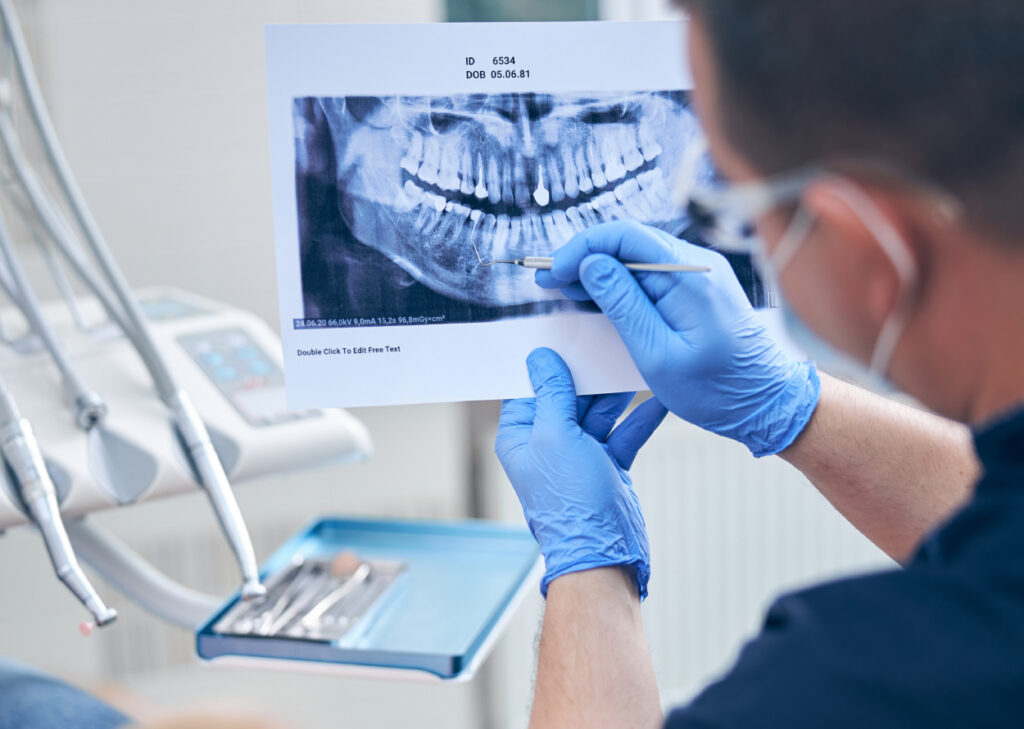

Stress does not just sit in the mind. It shows up in the shoulders, in sleep patterns, in digestion, in blood pressure, and very often in the mouth. Dentists and periodontists see this connection more often than many patients realize. A person may come in worried about bleeding gums or persistent bad breath, and after a closer look, the story frequently includes a demanding job, a family crisis, poor sleep, skipped meals, or months of running on caffeine and adrenaline.
That pattern is not a coincidence. Chronic stress can change immune function, increase inflammation, disrupt daily oral care, worsen dry mouth, and encourage habits like teeth grinding or smoking. Each of those factors can push the gums closer to disease, or make existing gum problems harder to control. Over time, what began as mild irritation can turn into a condition that requires professional Gum Disease Treatment rather than a simple cleaning and a reminder to floss more consistently.
The relationship is not always dramatic at first. Gum disease often progresses quietly. Many adults assume some bleeding during brushing is normal, or that tender gums are just a temporary annoyance. In practice, those early signs matter. When stress is layered on top, the body may be less equipped to contain bacterial irritation along the gumline. That is when minor inflammation can deepen into a more serious periodontal issue.
The hidden biology behind stress and gum inflammation
Stress affects the body through several overlapping mechanisms. One of the most important involves cortisol, a hormone released as part of the stress response. In short bursts, cortisol helps the body manage immediate demands. When stress becomes constant, elevated cortisol can interfere with normal immune regulation and contribute to a more inflammatory internal environment.
The gums are especially vulnerable to this shift because they are already dealing with a daily bacterial challenge. The mouth contains a dense microbial community. Most of the time, regular brushing, flossing, saliva flow, and a responsive immune system keep that community in balance. Once plaque builds up along the gumline, however, the tissues can become irritated. If stress is also weakening the body’s ability to control inflammation effectively, the response can become exaggerated or poorly regulated.
That matters because gum disease is not caused by bacteria alone. It is also shaped by how the body reacts to those bacteria. Two people may have similar plaque levels but very different periodontal outcomes depending on genetics, medical history, smoking status, diabetes control, and stress load. In clinical settings, this is one reason some patients deteriorate faster than expected despite believing their habits have not changed much.
Another issue is healing capacity. Inflamed gums need time and stability to recover after deep cleaning, scaling and root planing, or other periodontal therapies. High stress can make tissues slower to settle down. It can also make patients less likely to follow home care instructions carefully. The result is a frustrating cycle in which treatment begins, symptoms improve somewhat, then progress stalls because the underlying stress burden is still affecting both the body and behavior.
Stress changes daily habits, and the mouth pays for it
Biology is only part of the story. Stress also changes what people do every day, often in small ways that seem harmless until they accumulate.
A patient under pressure may brush quickly instead of thoroughly. They may skip flossing for a week that turns into two months. They may snack more often on refined carbohydrates, sip acidic drinks through the day, or fall asleep without cleaning their teeth after a late night. Some start smoking again after years without cigarettes. Others clench their jaws all day without realizing it.
None of these habits guarantees periodontal disease on its own, but together they create a perfect setup for gum breakdown. The mouth tends to reflect routine. When routine falls apart, the gums are usually among the first places to show it.
Dry mouth is another common piece of the puzzle. Stress, anxiety, certain antidepressants, anti-anxiety medications, and poor hydration can all reduce saliva flow. Saliva is protective. It helps neutralize acids, wash away debris, and support a healthier oral environment. When the mouth stays dry, plaque can accumulate more easily and tissues may become more irritated.
People often describe this period in familiar terms. They say they have been “too busy to deal with it” or “just trying to get through the month.” That sentiment is understandable, but gum disease does not pause while life gets chaotic. It usually advances quietly, which is why many cases are discovered only when symptoms become obvious enough to interrupt eating, speaking, or sleep.
When stress-related gum problems begin to show
The earliest signs can be subtle. Gums may look slightly redder than usual, or feel puffy around certain teeth. Brushing may produce pink in the sink. Floss may catch on swollen tissue. Breath may seem persistently unpleasant even after mouthwash. Some people notice a metallic taste or a vague soreness when chewing firmer foods.
If disease progresses beyond gingivitis into periodontitis, the changes become more concerning. The gums can start pulling away from teeth, creating deeper pockets where bacteria thrive. Teeth may look longer because of recession. Sensitivity can increase. In advanced cases, teeth may feel loose or shift position.
This is where prompt Gum Disease Treatment becomes important. Gingivitis is often reversible with professional cleaning and better home care. Periodontitis is more serious. It can usually be managed, slowed, and stabilized, but the lost support around teeth may not fully return. That distinction matters. The longer stress-driven neglect or inflammation continues, the more likely the condition will require deeper intervention.
Teeth grinding adds another layer of damage
Stress rarely acts alone. One of its most common companions is bruxism, which includes clenching and grinding. Some people do it in sleep. Others do it while working, driving, or concentrating. The pressure can be intense, often far greater than normal chewing force.
Grinding does not directly cause gum disease in the same way plaque bacteria do, but it can aggravate an already inflamed mouth. Repeated force can contribute to gum recession, tooth wear, jaw pain, and tenderness around the supporting structures of teeth. If periodontal tissues are already compromised, heavy clenching may worsen mobility or discomfort.
Dentists often notice a telltale combination: flattened biting surfaces, tension in the jaw muscles, and inflamed gums that have been difficult to control. In those situations, treatment may need to address both periodontal health and bite-related stress. A night guard can help protect teeth from further wear, but it does not replace actual Gum Disease Treatment when infection and inflammation are present.
The role of sleep, sugar, and immune fatigue
People under sustained stress often sleep poorly, and poor sleep has its own effects on immune regulation and inflammation. Anyone who has had several restless nights knows how quickly the body feels run down. The gums can reflect that same strain.
Diet also shifts under pressure. Convenience foods, energy drinks, sweetened coffee beverages, and late-night snacking become more common when people are exhausted. Frequent sugar exposure feeds oral bacteria, while acidic beverages can irritate tissues and contribute to an unhealthy oral environment. This is especially common in high-pressure professional settings where meals are delayed and quick snacks become the default.
In places where appearance and performance are closely tied to professional life, oral health concerns may be noticed early because patients are attuned to changes in their smile. That is one reason practices offering Gum Disease Treatment in Beverly Hills often see patients who are functioning at a high level professionally while quietly managing significant stress behind the scenes. Their concern may start with cosmetic changes such as recession or redness, but the underlying issue often runs deeper.
Why some people are more vulnerable than others
Stress affects nearly everyone, but it does not affect every mouth the same way. Several factors can increase the chance that stress will translate into periodontal trouble.
- A history of gingivitis or periodontitis
- Smoking or vaping
- Diabetes, especially if blood sugar is inconsistent
- Medications that reduce saliva flow
- Irregular professional dental cleanings
These risk factors tend to compound each other. A patient with mild chronic stress and excellent home care may experience only temporary gum sensitivity. A patient with the same stress level plus smoking, dry mouth, and skipped cleanings may develop deeper pockets and bone loss much faster.
Age can also influence the picture, although gum disease is not limited to older adults. Younger adults under prolonged stress sometimes present with surprisingly advanced inflammation, especially when oral care has fallen off during graduate school, caregiving responsibilities, or major career transitions.
What dentists look for when stress may be part of the problem
A periodontal evaluation goes beyond asking whether the gums bleed. The clinician will typically assess plaque accumulation, tartar deposits, pocket depths, gum recession, tissue tone, bleeding on probing, bone levels on radiographs, tooth mobility, and signs of clenching or grinding. The pattern of disease matters. If inflammation is generalized and paired with lifestyle strain, stress often becomes part of the clinical conversation.
This is not about blaming patients for being stressed. It is about recognizing that oral health does not exist in a separate compartment. A thoughtful dentist or periodontist pays attention to context. If a patient says their gums worsened during a divorce, a move, cancer treatment in the family, tax season, residency training, or a period of severe anxiety, that information is relevant. It helps explain why a condition progressed and how treatment can be tailored to realistic daily life.
Some patients need a phased plan. Rather than overwhelming them with perfect-care expectations from day one, the treatment team may focus first on controlling active infection, reducing inflammation, and simplifying home routines so success feels possible even during a difficult season.
How Gum Disease Treatment typically works
Treatment depends on severity. Mild gingivitis may respond to a professional cleaning and improved brushing and flossing technique. Once there is periodontitis, deeper care is often needed. https://linktr.ee/dentalgroupofbeverlyhills Scaling and root planing, sometimes called deep cleaning, is a common first-line treatment. It removes plaque and calculus below the gumline and smooths root surfaces so the tissues can reattach more effectively.
In more advanced cases, antimicrobial therapy may be used, or referral to a periodontist may be appropriate. Some patients require localized procedures to reduce deep pockets or address recession. Maintenance matters just as much as the initial therapy. Periodontal disease is usually controlled through regular monitoring and supportive care, not cured once and forgotten.
Patients are often surprised by how much better their mouth feels once inflammation is reduced. Bleeding decreases, breath improves, tenderness settles, and the gums look firmer. That improvement can become a turning point. When people see that stress has had a tangible physical effect, they are often more willing to take both oral care and stress management seriously.
Practical ways to protect your gums during high-stress periods
Perfection is not the goal. Consistency is. During demanding periods, small protective habits can keep a manageable problem from becoming a larger one.
- Brush for a full two minutes, twice a day, even on chaotic days
- Clean between teeth daily with floss or interdental brushes
- Drink water often, especially if your mouth feels dry
- Keep periodontal maintenance appointments instead of postponing them
- Ask about a night guard if you wake with jaw tension or headaches
These steps are simple, but they matter. A patient who keeps just these basics intact during a stressful quarter at work is often in a much better position than someone who lets months pass without any structure.
It also helps to reduce friction. Keep floss where you will actually use it. Carry a travel toothbrush if long days make it hard to get home before bed. Switch to an alcohol-free rinse if dryness is an issue. If fatigue leads to aggressive brushing, use a soft brush and pay attention to pressure. These practical adjustments work better than grand intentions that collapse after three days.
The treatment plan should match the person, not just the disease
One of the biggest mistakes in periodontal care is treating the chart but not the patient. A technically correct plan can still fail if it ignores how someone is living. The exhausted parent of two young children, the executive traveling across time zones, the student in final exams, and the retiree caring for a spouse with dementia all face different barriers.
A good clinician makes room for that reality. Maybe the patient needs shorter, more frequent maintenance visits because long appointments are overwhelming. Maybe they need a simpler home care routine before adding more tools. Maybe the right first step is controlling pain and bleeding so they can build confidence. The science of periodontal therapy matters, but judgment matters too.
This is especially relevant in cosmetic-forward communities where people may seek care because the gums no longer look even or healthy in photos. The visual concern is valid, yet it should lead to a deeper assessment rather than a quick cosmetic fix. Practices that provide Gum Disease Treatment in Beverly Hills often have to balance both priorities, preserving appearance while addressing the infection and inflammation that threaten long-term oral health.
When to stop waiting and schedule an evaluation
Many people delay because they hope the problem will settle on its own once life calms down. Unfortunately, gum disease is not very respectful of busy schedules. If you are seeing recurring bleeding, persistent swelling, gum recession, bad breath that does not improve, or tenderness when chewing, it is time to be examined.
Certain combinations deserve prompt attention. Bleeding plus loosening teeth is one. Recession plus jaw clenching is another. Dry mouth, smoking, and missed cleanings together should also raise concern. Even if the issue turns out to be early gingivitis rather than periodontitis, that is valuable to know. Early treatment is easier, less invasive, and generally less expensive than waiting until support around the teeth has been lost.
Stress can make people normalize symptoms they would otherwise take seriously. They tell themselves they are overreacting, or that they will deal with it after the next deadline, move, trial, launch, or holiday season. That postponement is understandable, but it often comes at a cost. The mouth keeps score.
A healthier mouth often starts with a broader reset
There is no need to pretend that gum health can be isolated from the rest of life. If chronic stress is driving inflammation and undermining basic routines, oral health will improve most when both sides of the equation are addressed. Professional Gum Disease Treatment can control the infection, reduce pockets, and stabilize the gums. Better sleep, less grinding, improved hydration, smoking cessation, and steadier home care help the results hold.
Even modest changes can have a noticeable effect. Patients who begin sleeping more regularly, drinking more water, and keeping maintenance visits often report that their gums stop bleeding within weeks after treatment. They also tend to feel more in control overall, which matters because helplessness fuels neglect, and neglect fuels progression.
Gum disease is common, but it should never be treated as trivial. When stress is part of the picture, the need for treatment can increase quickly and quietly. Paying attention early, getting a proper evaluation, and following through with care can preserve not just your smile, but the health of the tissues that support every tooth you hope to keep for the long term.
Dental Group Of Beverly Hills
Address: 8641 Wilshire Blvd #125, Beverly Hills, CA 90211
Phone number: +13109296335
FAQ About Gum Disease Treatment in Beverly Hills
How to improve gum health quickly?
To improve gum health quickly, eliminate plaque buildup by brushing for two full minutes twice a day at a 45-degree angle to the gumline. Floss daily to clean under the gumline, and rinse with an antimicrobial, alcohol-free mouthwash. For immediate relief of soreness, use a warm saltwater rinse.
What is the fastest way to cure gum disease?
To quickly cure early-stage gum disease (gingivitis), eliminate the plaque buildup causing the inflammation. Brush gently but thoroughly for two minutes twice daily, floss daily, and use an antibacterial mouthwash or a warm saltwater rinse. However, if tartar has hardened, professional treatment is necessary.
How do I treat my gum disease at home?
You can treat early gum disease at home by practicing strict daily oral hygiene, rinsing with salt water or antibacterial mouthwash, and quitting smoking. True gum disease (especially advanced forms like periodontitis) cannot be fully cured at home once tartar forms, and you must see a dentist for professional cleanings.